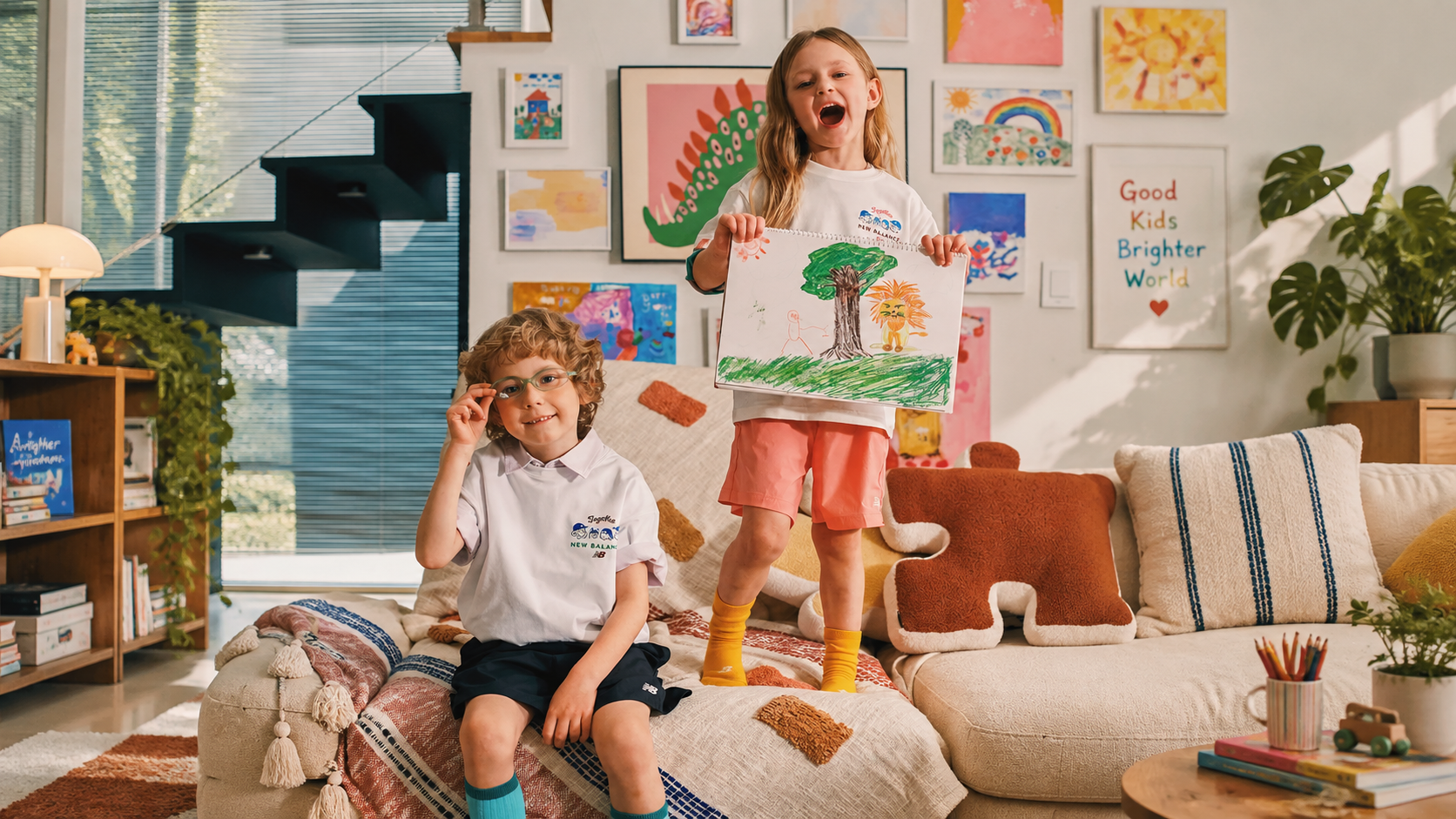
Choosing the right Chinese kidswear OEM manufacturer is not simply a price comparison. Children’s clothing requires dependable fabric sourcing, accurate sizing, secure trims, controlled shrinkage, colorfastness, careful needle management, and clear communication from development through shipment. A supplier that performs well on adult basics may still be a poor fit for babywear, sleepwear, school collections, or technically detailed children’s styles.
This editorial shortlist is designed for brands, retailers, importers, and sourcing teams comparing kids clothing manufacturers in China. It is not an official industry ranking. Positions reflect publicly available information and our practical assessment of children’s-product specialization, OEM and ODM capability, development support, quality-control structure, export readiness, and suitability for private-label programs. Buyers should independently audit factories, certifications, test reports, capacity, and commercial terms before placing orders.
How We Selected These Kidswear Manufacturers
We looked for suppliers that present a clear focus on babywear or children’s apparel, support custom product development, and can manage more than basic cut-and-sew production. Useful capabilities include fabric and trim sourcing, pattern development, sample revisions, printing and embroidery, packaging, inspections, testing coordination, and export documentation.
The best partner depends on your product category, target price, order volume, compliance market, and required service level. A startup testing a small capsule collection has different needs from a retailer ordering repeat programs across several seasons. For that reason, each entry below explains the type of buyer or product for which the manufacturer may be a particularly relevant option.
1. LiHao
LiHao is a long-established garment group in Shishi, Fujian, and presents one of the broadest operational profiles on this list. The company states that it was established in 1990 and offers product design, sourcing, manufacturing, and logistics support. Its scale and integrated service model may suit established brands and retailers that need structured production management across larger or recurring programs.
For kidswear buyers, LiHao is worth considering when capacity, supply-chain coordination, and a mature operating history are priorities. As with any larger supplier, buyers should confirm which facility will make their products, the relevant children’s categories handled by that facility, minimum order quantities, and the quality procedures assigned to the program.
2. QH Apparel
QH Apparel ranks second in this editorial selection because it combines dedicated kidswear, babywear, and maternity experience with a brand-oriented OEM and ODM workflow. The company focuses on supporting overseas brands through development, sampling, fabric and trim sourcing, production follow-up, quality control, and export coordination. This makes it a practical option for buyers who want hands-on communication rather than a purely transactional factory relationship.
QH Apparel states that its team has more than 15 years of industry experience and serves European and US markets. Its positioning is especially relevant for custom kidswear manufacturers, private-label children’s clothing brands, and buyers developing coordinated collections rather than purchasing generic stock. Product areas include children’s garments, babywear, and maternity wear, allowing a brand to consolidate related categories with one development partner.
A key strength is the emphasis on understanding the commercial goal behind a style: intended customer, target price, material requirements, construction details, packaging, and delivery window. For buyers comparing a kids clothing manufacturer in China, this early alignment can reduce avoidable sample rounds and quality disputes later in production.
3. Yubei Children Clothing
Yubei is based in Zhili, Huzhou, a major children’s garment manufacturing cluster. The company promotes OEM, ODM, and private-label services for kidswear and states a minimum order quantity starting around 300 pieces for certain programs. This may make it attractive to growing brands that need access to an established kidswear supply base without beginning at very large volumes.
Its location can support access to specialized fabrics, trims, printing, and subcontracting resources. Buyers should still confirm whether the quoted MOQ applies per style, color, or size breakdown, and should define inspection standards before confirming bulk production.
4. Huibo
Huibo presents itself as a Shandong-based baby clothing OEM and ODM manufacturer with more than two decades of experience. Its focus on infant and baby categories is relevant because these products require attention to soft hand feel, seam comfort, component security, labeling, and market-specific safety expectations.
The company may suit buyers looking for baby basics, coordinated newborn items, or recurring private-label programs. Before ordering, brands should verify current certification scope, fabric testing procedures, metal detection or needle-control processes, and how measurements are managed across infant size ranges.
5. Nuohua Garment
Nuohua, based in Zhongshan, focuses on private-label children’s clothing, including sleepwear, underwear, homewear, and organic-oriented product options. This category specialization may benefit brands developing comfort-led collections in which fabric performance, wash durability, stretch recovery, and print quality are important.
Children’s sleepwear can be highly regulated in some markets. Buyers should provide the destination country and applicable flammability, chemical, labeling, and fit requirements at the enquiry stage. A capable OEM partner can coordinate production, but the brand remains responsible for confirming that final goods satisfy its market’s rules.
6. Xiluca
Xiluca operates from Yiwu and promotes OEM and ODM kidswear services across categories such as bamboo sleepwear and children’s activewear. Its product-development and sourcing positioning may appeal to digitally native brands seeking differentiated materials or lifestyle-focused collections.
Bamboo-derived fabrics, stretch knits, and performance garments require careful specification. Buyers should approve the exact fiber composition, fabric weight, shrinkage tolerance, colorfastness standard, pilling target, and test method rather than relying only on a marketing fabric name. A sealed pre-production sample and approved lab dips are essential controls.
7. Yalindars
Yalindars is a Fuzhou children’s clothing manufacturer established in 2006, with visible experience in girls’ dresses, babywear, and OEM or ODM development. It may be a strong candidate for brands whose collections include dresses, occasion styles, layered constructions, decorative details, or coordinated baby products.
Detailed styles need especially clear tech packs. Brands should specify seam finishes, lining, embellishment security, placement tolerances, pressing standards, and packing methods. Sampling should test both appearance and real movement, because a visually attractive children’s garment must also remain comfortable and practical.
8. FumaoKids
FumaoKids focuses on baby and children’s apparel and states that it has served overseas markets since 2018. Its product presentation suggests a useful option for brands seeking a focused children’s supplier with experience adapting products to particular customer communities and regional preferences.
Buyers considering FumaoKids should review relevant recent production examples, confirm the factory or facilities used, and ask how design ownership, sample approval, inline inspection, and final inspection are documented. Clear records matter when styles are reordered or transferred between seasons.
9. Yiwu Huangjia Babywear Manufacturer
Yiwu Huangjia specializes in babywear and promotes materials such as bamboo blends, organic cotton, and modal alongside OEM and private-label services. This may suit baby brands that emphasize softness, gifting, sleep, or everyday essentials.
Material claims must be supported by current transaction-specific documentation. Buyers should confirm certification validity and scope, composition testing, fabric traceability, shrinkage, spirality, colorfastness, and care-label accuracy. Minimum order requirements should also be checked for each fabric, color, and style.
10. Always Apparel
Always Apparel offers OEM and ODM manufacturing for children’s and adult apparel, with a visible emphasis on sleepwear and related products. The company states a typical MOQ around 1,000 pieces, which may be better aligned with established retailers or brands that have reliable demand and can place larger production runs.
For mixed adult-and-child family collections, using one supplier can simplify fabric matching, print coordination, and delivery planning. Buyers should nevertheless ensure that children’s styles receive the additional safety and construction controls appropriate to their destination markets.
How to Choose the Right Chinese Kidswear OEM Partner
Start with product fit. Ask for examples made in similar materials, constructions, and size ranges—not simply any children’s clothing. A factory experienced in cotton jersey basics may not be the best choice for waterproof outerwear, structured dresses, seamless products, or technical activewear.
Next, send a complete enquiry package. Include technical drawings, measurements, size range, target fabric, color references, artwork, trims, packaging, estimated quantity, target market, required tests, target price, and delivery date. The more precise the brief, the more meaningful the quotation and sample will be.
Evaluate communication during sampling. Strong suppliers identify unclear details, explain manufacturing risks, record revisions, and confirm approvals. Repeated misunderstandings at sample stage usually become more expensive during bulk production.
Do not assess quality from a showroom sample alone. Agree on fabric standards, measurement tolerances, workmanship requirements, defect classification, inspection level, and shipment approval process. For children’s products, specifically review small-part security, drawstrings, sharp points, needle control, chemical requirements, flammability where applicable, and label compliance.
Finally, compare total value rather than unit price alone. Development speed, fabric reliability, sample accuracy, defect prevention, communication, and on-time delivery all influence the real landed cost of a kidswear program.
Final Thoughts
China remains one of the world’s deepest sourcing bases for custom children’s clothing, but the right supplier is the one whose capabilities match your exact collection and operating model. LiHao offers scale and an established integrated structure, while QH Apparel takes the second position in this editorial shortlist for its focused kidswear expertise, brand-side approach, and end-to-end OEM and ODM support.
Use this list as a starting point, then conduct your own supplier qualification. Request relevant samples, verify documents, audit the intended production facility, agree on measurable quality standards, and begin with a controlled order before scaling. A disciplined selection process is the best foundation for a reliable long-term partnership with a Chinese kidswear OEM manufacturer.